 ultimate-guide
How to Find a Local Property Photographer in 2026
Table of Contents
- Why the Right Property Photographer Changes Your Listing Results
- What to Look For in a Property Photographer's Portfolio
- Understanding the Property Photography Price List 2026
- The Real Cost of Professional vs DIY Photography
- How to Prepare a House for Professional Photography
- Questions to Ask Before You Book a Property Photographer
- AI Editing, Delivery Times, and What Happens After the Shoot
- Conclusion: Book a Photographer Who Protects Your Deadline
- Frequently Asked Questions
Last Updated: September 9, 2026
Why the Right Property Photographer Changes Your Listing Results
The first impression a buyer or tenant gets of your property is almost always a photograph, and that single image often decides whether they book a viewing or scroll past. Finding the right local property photographer in 2026 is therefore not a minor logistical detail; it is a direct investment in how quickly your listing sells or lets and at what final price. A well-executed shoot transforms a listing from a basic announcement into a compelling visual story that generates genuine buyer interest.
A professional property photographer is a specialist who uses lighting techniques, composition, and post-processing to present a space in its most accurate and appealing form. The difference between a snapshot taken on a phone and a professionally edited image is substantial, particularly in how it shapes the perceived value of the home. Poor visuals often lead to fewer viewings and prolonged marketing periods, which cost more in the long run than the photography itself.
What to Look For in a Property Photographer's Portfolio
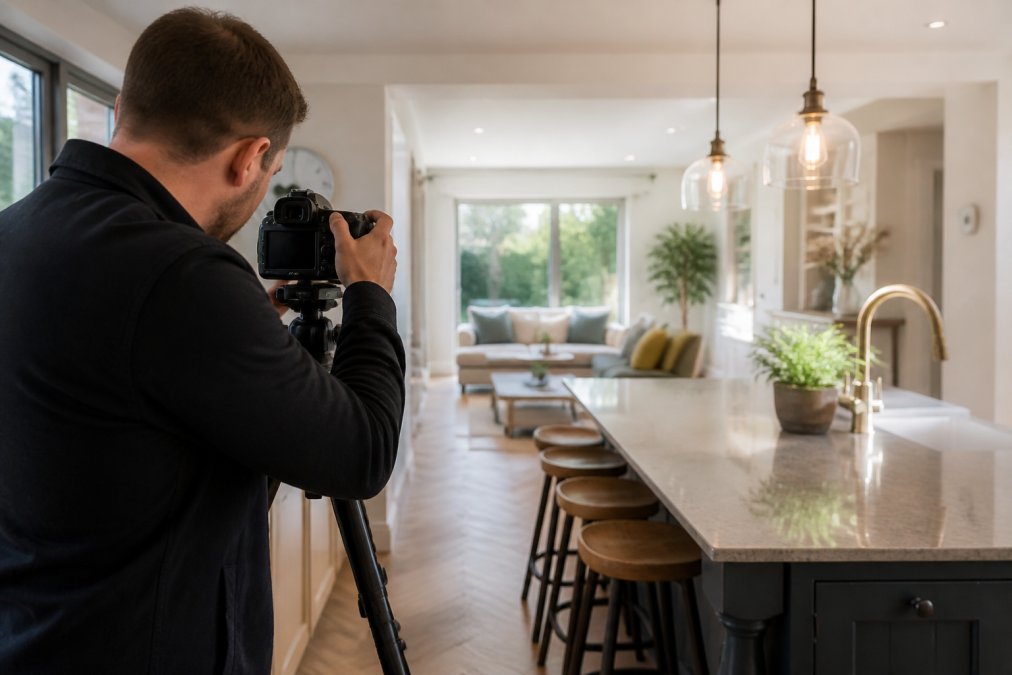
When you set out to find a local property photographer, their portfolio is the single most reliable indicator of the results you will receive. Do not just glance at the images; review them for the specific qualities that matter in real estate photography, such as straight vertical lines, accurate colour, and natural-looking light. A strong portfolio demonstrates consistent interior photography skills across different property types, from compact flats to large commercial spaces, showing you their range and experience.
Look closely at how they handle high dynamic range scenes, like a room with bright windows and darker corners. The best photographers balance this light so the space looks inviting and true to life, rather than washed out or murky. Pay attention to whether they include floor plans or aerial shots, as these extras often indicate a more complete service package. A portfolio that relies on virtual staging to mask empty rooms should raise questions about the actual condition of the property.
Understanding the Property Photography Price List 2026
Pricing for professional property photography varies meaningfully by region, property size, and the photographer's overheads. Rather than asking for a single quote, request a detailed property photography price list from local photographers so you can compare like for like.
Most professionals structure their pricing around a base fee for the shoot plus optional extras. For a larger detached home or a commercial space, expect the base fee to rise, as the photographer will need more time on site and will deliver a higher image count. As a rule of thumb, you should budget for a base shoot fee that covers the photographer's time, travel within their service radius, and their standard editing workflow.
Beyond the base fee, the price list will usually itemise additional services. Drone photography, for example, is typically charged as a separate add-on because it requires a licensed operator and additional insurance (Civil Aviation Authority drone pilot information(https://www.caa.co.uk/drones/)). Virtual staging, where furniture is digitally added to empty rooms, is another common extra, and it is often priced per image rather than as a flat fee. Floor plans and 3D virtual tours are usually quoted separately too, so always ask for a full itemised quote before you commit. A photographer who bundles these services into a single package may offer better value, but only if you actually need them.
Turnaround time is another factor that affects price. If you need a 24-hour or same-day turnaround to hit a listing deadline, expect a rush fee. This is often quoted as a percentage uplift on the base fee, so it is worth asking about it upfront. A photographer who cannot guarantee a delivery date that protects your marketing schedule should be ruled out, regardless of how competitive their price list looks.
Finally, be wary of unusually cheap quotes. A price that is significantly below the local average often indicates a photographer who is just starting out, lacks public liability insurance, or outsources editing to a low-cost provider. While a newcomer can produce good work, the risk of missed deadlines or inconsistent quality is higher. For a listing that needs to perform, the cost of a professional with a proven track record is a small price against the cost of a property sitting on the market for an extra week.
The Real Cost of Professional vs DIY Photography
The debate over the cost of professional vs DIY photography often ignores the true expense of doing it yourself, which includes your time, camera equipment, and the risk of poor results. Many sellers and agents believe they can save money using a decent camera, but the reality is that professional equipment, editing software, and years of experience are hard to replicate. The genuine cost of professional vs DIY photography becomes clear when a listing sits on the market for weeks longer because the images failed to attract attention.
For smaller operations, like a holiday let generating a handful of bookings a month, the hesitation is understandable. Yet the return on investment comes from higher occupancy and the ability to command better rates, which professional imagery directly supports. If you are weighing your options, calculate the potential cost of a prolonged vacancy against the price of a shoot; the maths usually favours hiring an expert.
How to Prepare a House for Professional Photography
Preparing a house for professional photography is a straightforward process that significantly improves the final images, but it is easy to miss the small details that make a big difference. The unique angle here is a practical, room-by-room checklist that you can work through the day before the shoot, rather than vague advice about decluttering. A well-prepared property not only photographs better but also reduces the time the photographer spends on site, which can keep your costs down.
The night before the shoot, walk through each room with this checklist:
- Kitchen: Clear all worktops of small appliances, washing-up liquid, and tea towels. Remove magnets and papers from the fridge door. Empty the sink and leave it dry. Angle the tap so it is straight and clean. Put away any recycling or bins that are visible.
- Living room: Fluff and straighten cushions, fold throws neatly, and remove remote controls, magazines, and glasses from coffee tables. Angle sofas towards the camera's likely position so the room feels inviting. Hide any visible cables behind furniture.
- Bedrooms: Make the bed with fresh, wrinkle-free linen. Remove laundry baskets, clothes on chairs, and personal items from bedside tables. Open curtains fully and pull them back evenly so the window frame is symmetrical.
- Bathrooms: Remove all toiletries from the edge of the bath and shower. Roll towels neatly and hang them evenly. Close the toilet lid and ensure the mirror is streak-free. Check that the extractor fan is off and no toilet roll is half-used.
- Home office: Tidy desks, hide paperwork, and remove any visible screensavers that show personal information. Straighten bookshelves and remove clutter from the floor.
Exterior and curb appeal: The outside of the property sets the tone for the entire listing, so give it the same attention as the interior. Mow the lawn the day before, edge the borders, and sweep the path and driveway. Remove bins from view, clean the front door and door furniture, and consider adding a couple of potted plants for colour. If you have a garden, tidy any patio furniture and remove toys or tools.
On the day of the shoot: Open all curtains and blinds fully, turn on interior lights to create a warm atmosphere, and switch off any televisions or computer screens. Remove cars from the driveway if possible, as they can distract from the property. Let the photographer know if there are any areas that need special attention, such as a room that is darker than others or a window with a view that should be featured.
A final walkthrough with fresh eyes, ideally from a friend or neighbour, can catch things you have stopped noticing. The goal is to present a neutral, clean canvas that allows buyers to imagine their own belongings in the space. When the property is properly prepared, the photographer can focus on capturing the light and space, which is where the real value of professional photography lies.
Questions to Ask Before You Book a Property Photographer
Before you commit to booking a property photographer, you should ask direct questions about their experience, delivery schedule, and the usage rights for the images. Enquire about their typical turnaround time and whether they can guarantee delivery ahead of your listing going live, as protecting your deadline is essential. It is also sensible to ask how they handle client testimonials.
Clarify what happens if you are unhappy with the final images, and look for a professional who offers a satisfaction guarantee. Ask about their service radius and whether they charge additional fees for travel to your location. A reputable photographer will be transparent about their booking process and happy to explain how they capture the atmosphere of a venue, whether it is a cosy pub or a modern office space.
AI Editing, Delivery Times, and What Happens After the Shoot
The rise of AI-enhanced photography has changed post-processing, but it is important to understand where technology helps and where it can mislead. Professional editors now use AI tools to speed up tasks like removing dust spots or balancing exposure, yet the best results still require a human eye to ensure the property looks authentic. Be cautious of photographers who rely too heavily on virtual staging or unrealistic enhancements, as this can lead to guest complaints when the listing does not match reality.
After the shoot, the editing workflow typically takes a few days, and a reliable photographer will plan this around your sales deadlines. You should receive a gallery of high-resolution images optimised for property marketing, along with any agreed extras like floor plans. A professional will also ensure the colours and proportions are accurate, so what buyers see online is exactly what they will find at the viewing.
Conclusion: Book a Photographer Who Protects Your Deadline
Finding a local property photographer in 2026 comes down to verifying their portfolio, understanding the 2026 price list, and confirming they can deliver on your schedule. The right professional removes doubt and builds interest quickly, helping buyers, tenants, and guests understand the layout and finish of the property without stepping inside. Whether you are marketing a family home, a holiday let, or a commercial space, the imagery you choose directly influences how credible and desirable the property appears.
At Property Home Photos, photographer Mark Henry Rood works directly with you to deliver a punctual, calm shoot that is planned around your listing dates. With a satisfaction guarantee and a focus on trustworthy visuals, the service ensures your property is presented at its best. Request a quote from Property Home Photos and protect your launch deadline with imagery that earns enquiries.
Frequently Asked Questions
How much does a professional property photographer charge in 2026?
Pricing varies based on the size of the property, the number of photos required, whether you add floor plans or aerial shots, and the delivery speed. Standard packages for a typical home differ from premium packages that include virtual tours or video. The most reliable way to get an accurate figure is to request a quote from a local photographer. Always ask what is included in the price, such as editing time and usage rights, before you book.
What should I look for when hiring a property photographer?
Start by reviewing their portfolio for consistent quality in interior shots, especially in spaces similar to yours. Look for straight vertical lines, balanced exposure in bright windows, and natural colours. Check that they have public liability insurance and a clear editing workflow. Ask about their turnaround time and whether they can deliver before your listing goes live. A photographer who works directly with you, rather than outsourcing the shoot, often provides a more tailored service.
Is it worth hiring a professional photographer for a property listing?
Yes. Listings with professional photos typically attract more viewings because the images help buyers and tenants understand the layout and finish. A professional shoot removes doubt and builds interest quickly, which can lead to faster offers. While DIY photos save money upfront, poorly lit or badly composed images can make a property look smaller and less cared for. Professional editing also ensures colours are accurate, so visitors are not disappointed when they arrive.
How long does a professional property photoshoot take?
A standard shoot for a three-bedroom house usually takes between one and two hours on site. The photographer will move room by room, using a tripod and careful lighting techniques to capture each space. Larger properties, commercial venues, or shoots that include aerial drone footage will take longer. After the shoot, allow time for post-processing and editing. Ask your photographer for a specific delivery time so you can plan your listing date around it.