 blog
blog
Real Estate vs Interior Design Photography
Table of Contents
- Real Estate Photography vs Interior Design Photography: Core Differences
- Real Estate Interior Photography: Showing the Complete Property
- Interior Photography Lighting for Design Portfolios
- Interior Design Photography Cost and Project Scope
- When to Hire Each Type of Photographer
- Client Briefs, Licensing, and Image Usage Rights
- Styling, Staging, and Collaboration Differences
- Frequently Asked Questions
Last Updated: October 9, 2026
Real Estate Photography vs Interior Design Photography: Core Differences
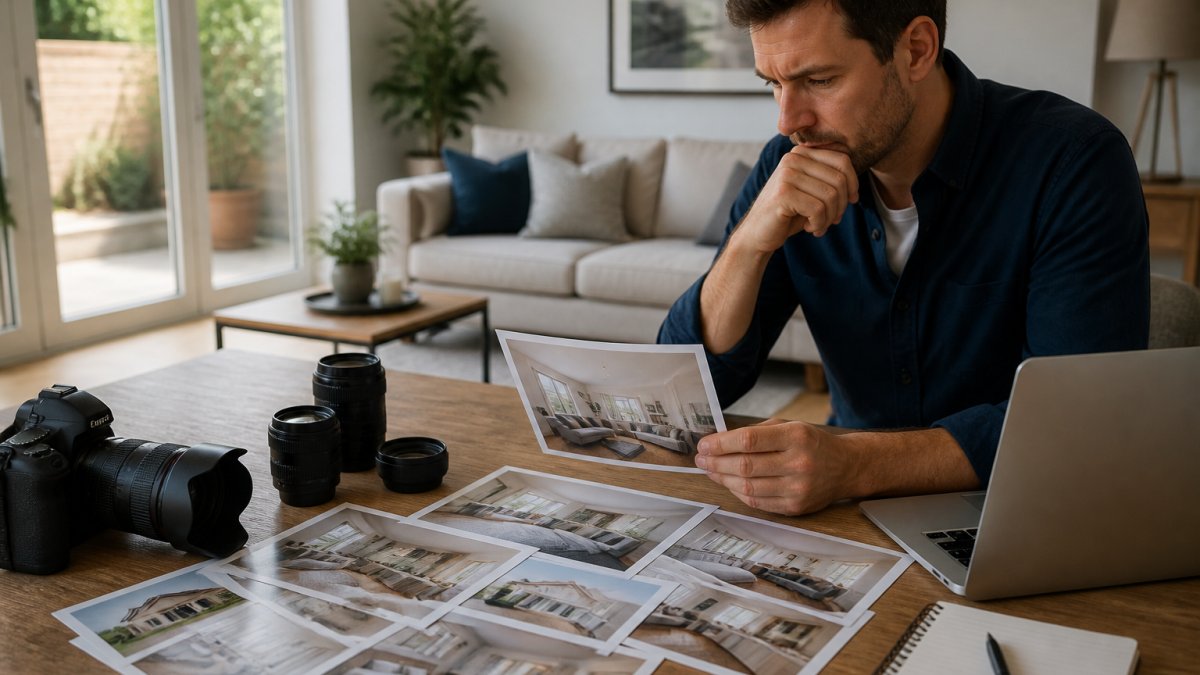
The difference between real estate photography and interior design photography comes down to purpose. Real estate photography sells properties. Interior design photography sells design work. These two goals create completely different approaches to lighting, composition, and what gets shown in the frame.
At Property Home Photos, we work with both property sellers and interior professionals. The distinction matters because shooting for a buyer's decision is not the same as shooting for a designer's portfolio. One prioritises showing the complete layout.
Understanding which type you need saves time and money. It also ensures the images you get actually serve your goal. A property listing needs to answer buyer questions: "What does this room look like? How big is it?
Purpose and Intended Use
Real estate interior photography exists to move property. The images help buyers, tenants, or holiday guests make decisions. They need to show what the space actually is: dimensions, layout, condition, finishes. Accuracy matters more than artistry.
Interior design photography exists to showcase design work. The images help designers win new clients. They need to show style, mood, and vision. Aesthetic impact matters more than showing every corner of the room.
This distinction shapes everything that follows. A real estate shot captures the whole room so a buyer understands the space. A design shot might focus on a styled detail because that detail tells the design story better than the full room would.
Target Clients and Audiences
Real estate photographers work for agents, developers, holiday let owners, and homeowners. Their audience is buyers, tenants, or potential guests. These people are making practical decisions. They want to know if the space suits their needs.
Interior design photographers work for interior designers, architects, and design studios. Their audience is potential clients who admire the designer's work. These people are making aesthetic and aspirational decisions. They want to see if they like the designer's style.
The audience shapes what the photographer includes in frame. A buyer wants to see clutter-free rooms so they can imagine themselves there. A design client wants to see the designer's styling choices, even if they're aspirational rather than realistic for everyday living.
Real Estate Interior Photography: Showing the Complete Property
Real estate interior photography shows rooms comprehensively. The goal is to help viewers understand the property layout, size, and condition. This requires wide-angle lenses, careful positioning, and lighting that reveals the whole space without distortion.
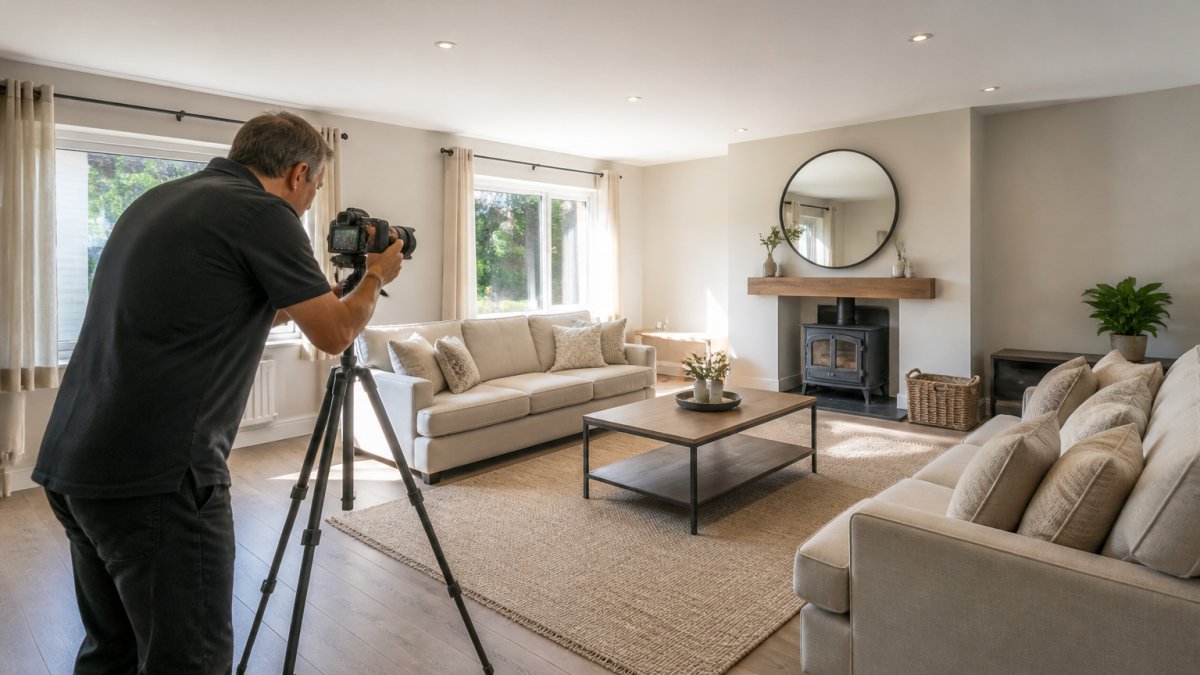
Composition and Room Coverage
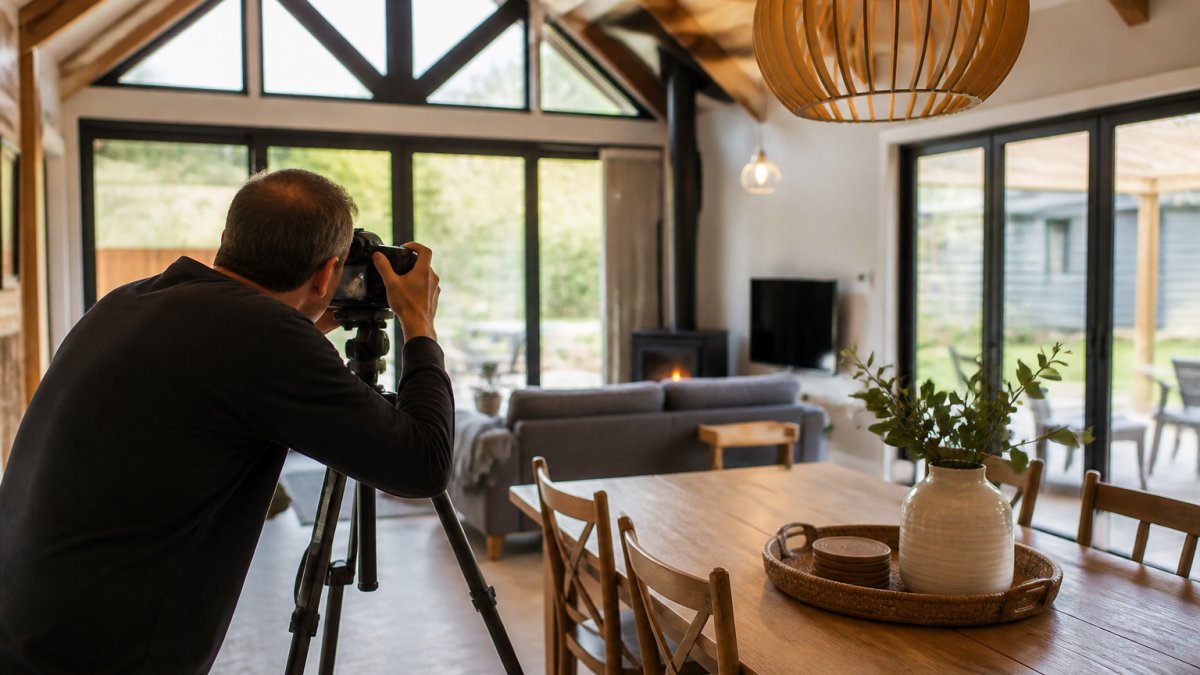
Real estate photographers position the camera to show as much of the room as possible. They use wide-angle lenses, typically 16-24mm on a full-frame camera.
The camera position matters. Photographers shoot from corners or doorways to show two walls and the room's full depth. This helps buyers understand how furniture might fit and how the space flows.
Vertical lines stay straight in real estate photography. Walls should look parallel, not tilted. This requires careful lens choice and camera positioning. Distortion makes rooms feel unnatural and can deter buyers.
Staging is minimal in real estate work. The goal is to show the property as it is, not as a designer would style it. Clutter is removed. Personal items are cleared.
Lighting Approaches for Property Listings
Real estate photographers use ambient light when possible. Natural light from windows shows the room honestly. It reveals how bright the space actually is at different times of day.
Flash is used carefully. A single flash fill adds light to dark corners without creating harsh shadows. The goal is even, natural-looking light across the whole room.
Many real estate photographers use HDR (High Dynamic Range) processing. This technique combines multiple exposures to show detail in both bright windows and dark corners.
Exposure blending is another approach. The photographer takes multiple shots at different exposures and blends them in post-processing.
The result should look like the room at its best, not artificially lit or overly processed.
Interior Photography Lighting for Design Portfolios
Interior design photography prioritises mood and aesthetic impact. Lighting is used to highlight the designer's choices and create atmosphere. The images tell a visual story about the design work.
Creating Mood and Atmosphere
Interior design photographers use light to set a tone. Warm light suggests comfort and intimacy. Cool light suggests sophistication or calm. The photographer chooses lighting that matches the design's intent.
Shadows become part of the composition. A shaft of light across a textured wall, a shadow cast by a decorative object, or dramatic backlighting all add visual interest.
Colour temperature matters. Designers often choose warm or cool colour palettes. The photographer matches the lighting to enhance these choices.
Time of day affects the shoot. A designer might want morning light streaming through a window, or late afternoon light that creates long shadows. These moments are planned and captured intentionally.
Detail Shots and Selective Focus
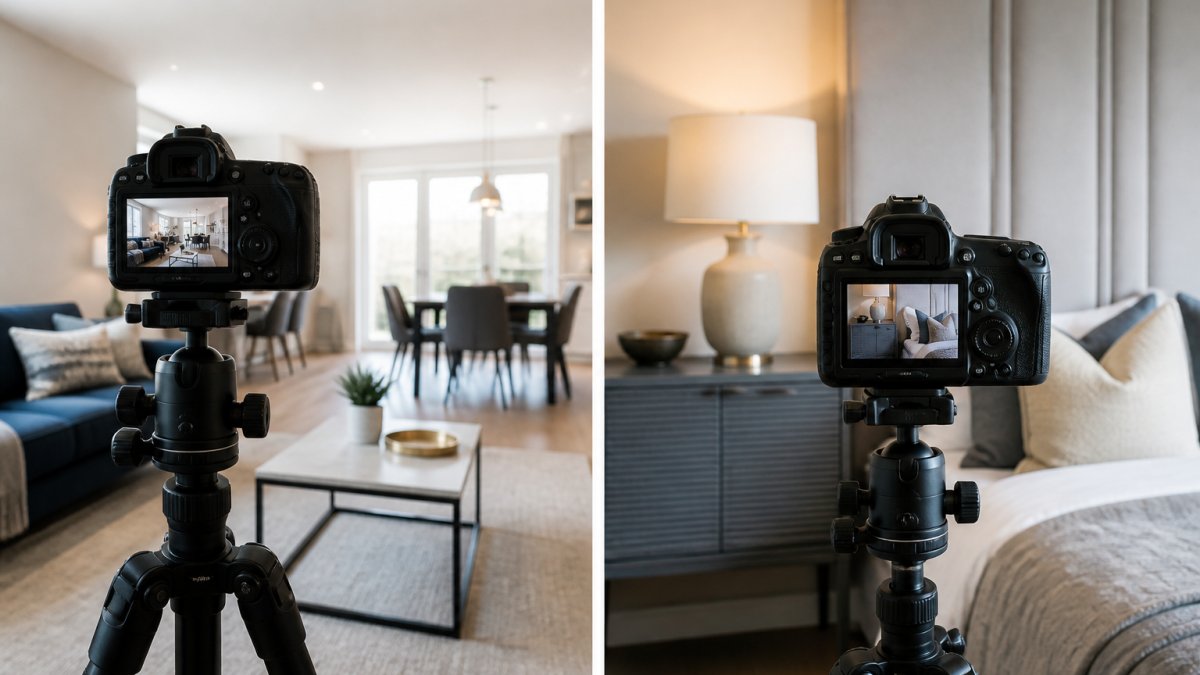
Interior design photography includes close-ups and detail shots. A textured wallpaper, a carefully styled shelf, a designer lighting fixture, or a material sample all get individual attention. These shots show the designer's attention to detail.
The camera focuses on what matters to the design story. A full-room shot might not show a custom tile pattern or a bespoke hardware finish. But a detail shot can highlight exactly what makes the design special.
Shallow depth of field is common. By focusing on one element and blurring the background, the photographer draws attention to the designer's choice.
Styling is intentional and sometimes aspirational. A design photographer might arrange books, flowers, or decorative objects to create a composed, magazine-quality image.
Interior Design Photography Cost and Project Scope
Interior design photography and real estate photography differ in scope and deliverables. These differences affect cost.
Factors Affecting Pricing
Real estate photography typically covers the entire property. The photographer shoots every room, hallway, exterior, and outdoor space. The scope is defined by the property size and number of rooms.
Interior design photography covers specific rooms or design elements. A designer might book a shoot for one kitchen, one bathroom, and a living room.
Real estate shoots often happen on a single day. The photographer moves through the property systematically. Interior design shoots might take longer because each room requires more setup, styling, and lighting adjustments.
Turnaround time also differs. Real estate listings need images quickly, often within days of the shoot.
Deliverables and Shot Lists
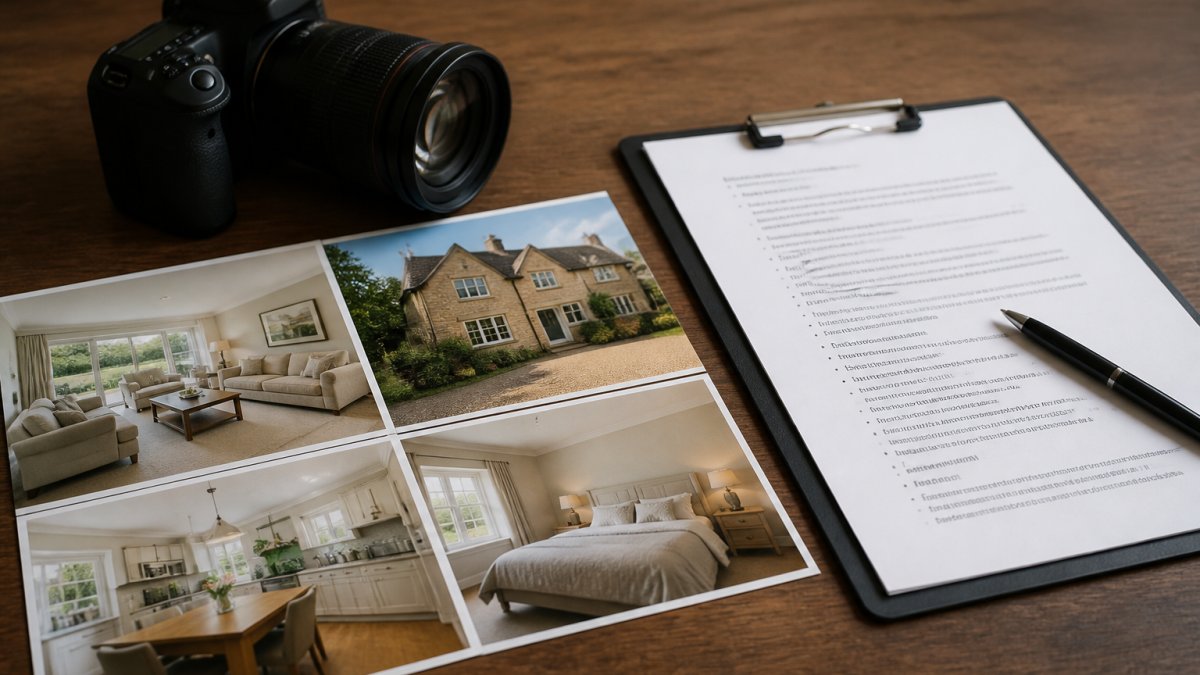
Real estate photographers deliver a large set of images. A typical property might yield 30-60 edited images covering all rooms, exteriors, and key features. The client gets options and can choose which images go into the listing.
Interior design photographers deliver a curated set. A designer might receive 15-25 images from a shoot, carefully selected to tell the design story. Quality is prioritised over quantity.
Real estate images are often retouched minimally. Exposure and colour are corrected, but the images stay true to how the space looks. Interior design images often receive more extensive retouching.
Shot lists differ too. A real estate photographer follows a checklist: master bedroom, ensuite, kitchen, living room, dining room, and so on.
When to Hire Each Type of Photographer
Choosing the right photographer type depends on your goal.
Real Estate Photographers for Property Sales and Lettings
Hire a real estate photographer if you're selling or renting a property. Real estate photographers understand how buyers and tenants search. They know which angles, lighting, and compositions make properties attractive to these audiences.
A real estate photographer will show your property honestly and completely. They'll highlight the best features without misrepresenting the space. They understand that buyers need to trust the images and that trust drives enquiries.
Real estate photographers work fast. They schedule shoots quickly and deliver images within days. If your listing goes live on Thursday, a real estate photographer can make that deadline. Property Home Photos plans turnaround around your listing dates and sales deadlines, ensuring images are ready when you need them.
Interior Design Photographers for Design Portfolios and Editorial Work
Hire an interior design photographer if you're a designer building a portfolio or a publication featuring design work. Interior design photographers understand how to showcase aesthetic vision and craftsmanship.
They'll collaborate with you on the creative direction. They'll style rooms, adjust lighting, and compose shots that tell your design story. The images will be polished and magazine-ready.
Interior design photographers take more time but deliver higher-impact images. If you're building a portfolio to win clients or a publication is featuring your work, the investment in professional interior design photography pays off.
Client Briefs, Licensing, and Image Usage Rights
The type of photography you hire affects how you can use the images.
Real estate photography is typically licensed for a specific purpose: selling or renting a property.
Interior design photography is often licensed for broader use. A designer can use images in portfolios, on websites, in social media, and in marketing materials indefinitely.
Usage rights matter. Clarify with your photographer what you can and cannot do with the images. Can you share them on social media? Can you use them in print advertising?
Image ownership also varies. Some photographers retain ownership and license images to clients. Others transfer ownership to clients. Discuss this upfront so there are no surprises.
Styling, Staging, and Collaboration Differences
Real estate and interior design photography require different approaches to styling and staging.
Real estate photographers work with properties as they are. They might ask homeowners to declutter, but they don't bring in furniture or decor. The staging is minimal and natural.
Interior design photographers collaborate with designers on styling. The designer might bring in accessories, rearrange furniture, or add decorative elements to enhance the design story.
Collaboration differs too. A real estate photographer typically works independently, making decisions about angles, lighting, and composition on site.
The relationship is different. A real estate photographer is a service provider capturing a property. An interior design photographer is a creative partner helping to bring the designer's vision to life.
Choosing between real estate photography and interior design photography depends on what you're trying to achieve. Whether you're selling a home, marketing a holiday let, or showcasing a commercial space, professional property photography removes doubt and helps buyers, tenants, and guests understand your property layout and finish.
Frequently Asked Questions
What is the difference between real estate photography and interior design photography?
Real estate photography aims to show the complete property layout and condition to potential buyers or tenants, using wide-angle lenses and neutral staging to present rooms objectively. Interior design photography emphasizes aesthetic details, mood, and the designer's creative vision, using selective framing, artistic lighting, and styled elements to showcase individual design features. Real estate serves a marketing function for property transactions, while interior design photography builds a designer's portfolio and editorial presence.
When should you hire an interior design photographer instead of a property photographer?
Hire an interior design photographer when you need to showcase design work for a portfolio, editorial features, or design marketing, especially when emphasizing specific finishes, colour schemes, or creative details. Choose a property photographer for property sales, lettings, holiday let listings, or commercial space marketing where buyers and tenants need to understand the full layout and condition. Interior designers, architects, and hospitality venues typically benefit from interior design photography, whilst property agents and homeowners preparing for sale need real estate photography.
How does interior photography lighting differ between real estate and design work?
Real estate photography uses balanced ambient and flash lighting to show rooms clearly and objectively, with consistent exposure across the entire space so viewers can assess condition and layout. Interior design photography employs more creative lighting to enhance mood, highlight specific design elements, and create visual interest, using shadows, accent lighting, and colour temperature to support the designer's aesthetic vision. Real estate lighting prioritises clarity and accuracy, whilst interior design lighting prioritises storytelling and visual appeal.
What factors affect interior design photography cost?
Interior design photography pricing depends on the scope of work (number of rooms or design elements), shoot duration, editing and retouching requirements, and the photographer's experience level. Usage rights and licensing terms also influence cost, editorial or portfolio use typically costs less than commercial licensing for marketing or advertising. Turnaround time, travel distance, and whether styling or collaboration with the designer is included can further affect the final price. Request a quote based on your specific project scope to understand costs for your needs.