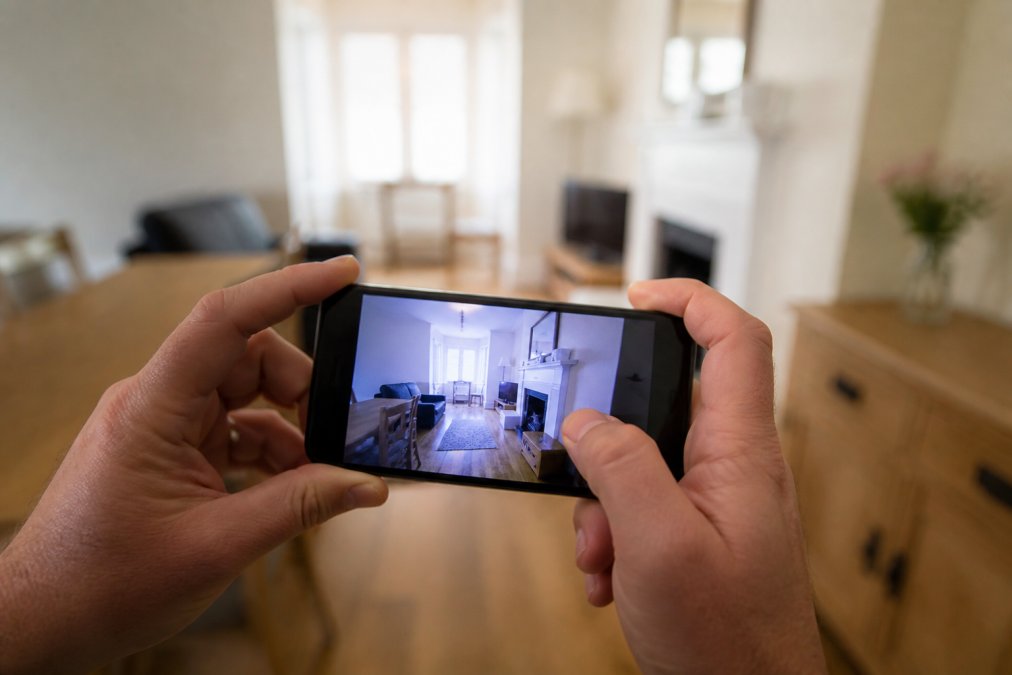
 how-to
Why Smartphone Photos Hurt Property Bookings
Table of Contents
- How Smartphone Photos Damage Conversion Rates
- Property Photography Mistakes That Cost Bookings
- The Smartphone Trap: Why Mobile Cameras Fall Short
- How to Increase Holiday Let Bookings With Better Imagery
- Professional Property Photography Benefits
- Post-Processing Ethics and Over-Editing Pitfalls
- Frequently Asked Questions
Last Updated: September 3, 2026
How Smartphone Photos Damage Conversion Rates
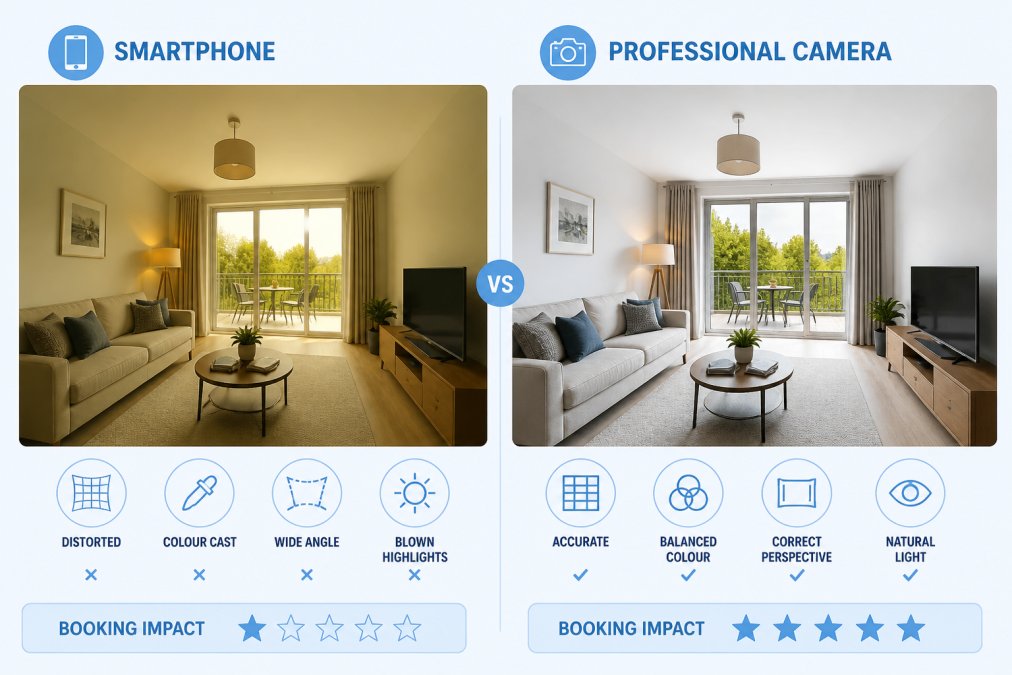
Smartphone cameras have democratised property photography, but they've also created a hidden conversion problem. When prospective guests, tenants, or buyers browse listings with poor-quality smartphone images, they make snap judgements within seconds. The pixelated corners, blown-out windows, and colour-shifted walls don't just look amateur, they actively signal doubt. That uncertainty translates directly into lost bookings.
The difference between smartphone photos and professional property photography isn't subtle. A guest viewing a holiday let on their mobile device sees compressed, grainy images that don't match the property's real appeal. They move to the next listing. A potential tenant scrolling through office space photos notices perspective distortion that makes rooms feel cramped. They don't book a viewing. The cumulative effect is measurable: properties with poor imagery receive fewer enquiries, longer time-on-market, and ultimately lower returns.
Property Home Photos has worked with property owners who initially thought smartphone snapshots were "good enough." Once they invested in professional imagery, booking patterns shifted. The difference comes down to technical limitations most property owners don't realise their phones have.
Property Photography Mistakes That Cost Bookings
The most expensive mistake property owners make is treating smartphone photography as a shortcut rather than recognising its fundamental constraints. These aren't user errors, they're built-in limitations that no amount of editing can fully overcome.
Digital Zoom and Image Degradation
Digital zoom is the silent killer of property listings. When you use digital zoom on a smartphone, you're not magnifying the scene, you're cropping pixels and stretching them. The result is visible softness, loss of sharpness, and a grainy texture that screams "low quality" to viewers scrolling through dozens of competing listings.
Professional photographers use optical zoom or reposition themselves physically to frame the shot. This preserves image resolution and keeps every detail crisp. A bedroom photographed with a smartphone's digital zoom loses fine detail in fabric textures, wall finishes, and furniture edges. A guest notices this and assumes the property itself is less polished than it actually is.
The smartphone trap deepens when owners try to fix this in post-processing. Sharpening filters applied to digitally zoomed images create harsh artefacts and look over-processed. This actually damages credibility further, viewers recognise artificial sharpening and question what else has been altered.
Poor Lighting and Exposure Problems
Smartphone sensors are small. This fundamental constraint means they struggle with mixed lighting conditions, a common reality in properties with windows, pendant lights, and natural daylight all competing for attention.
A hallway lit by afternoon sunlight streaming through a window and overhead ceiling lights creates dynamic range that a smartphone camera simply cannot capture in a single exposure. The window becomes a blown-out white rectangle, or the hallway interior goes dark. Either way, the space looks worse than it is in reality. Professional cameras with larger sensors and manual exposure controls can balance these competing light sources, or photographers use techniques like bracketed exposures and careful positioning to manage the contrast.
Colour balance is another casualty. Smartphones apply automatic white balance that often produces unnatural results. A kitchen photographed under warm tungsten lighting might appear orange or yellow in the smartphone image, even though the room looks neutral to the human eye. Guests viewing the listing think the property has poor interior design or dated finishes, when the real problem is the camera's colour interpretation.
Composition and Perspective Distortion
Smartphone lenses are typically wide-angle, around 28mm equivalent (cipa.jp). This is useful for fitting more of a room into the frame, but it introduces perspective distortion. Straight lines bend. Walls appear to lean. Rooms look oddly shaped compared to reality.
A small bathroom photographed with a smartphone's wide-angle lens looks distorted and cramped. The same bathroom photographed with a 50mm or 85mm focal length looks more spacious and natural because the perspective matches how the human eye perceives the space. This isn't a minor aesthetic difference, it directly affects whether a guest feels comfortable booking or whether a tenant feels the space suits their needs.
Professional photographers select focal lengths that represent the space honestly. They position themselves to avoid unflattering angles that make ceilings feel low or walls feel slanted. This requires understanding composition principles that go far beyond simply pointing and shooting.
The Smartphone Trap: Why Mobile Cameras Fall Short
The smartphone trap is the belief that better editing can compensate for poor capture. It cannot. Post-processing can enhance an already-good image, but it cannot recover detail that was never captured in the first place.
Sensor Size and Dynamic Range Limitations
A smartphone sensor is roughly the size of a grain of rice (peer-reviewed research). A professional DSLR or mirrorless camera sensor is significantly larger, sometimes 20 to 30 times the surface area (iso.org). This size difference is not trivial. Larger sensors capture more light, produce less noise in low-light conditions, and handle high-contrast scenes with greater nuance.
Dynamic range, the difference between the brightest and darkest parts of an image, is where this limitation becomes visible in property photography. A living room with large windows and darker interior walls presents a challenge. A smartphone captures either the window detail or the room interior, rarely both with good quality. A professional camera captures both, preserving detail across the full tonal range.
This technical difference means smartphone images often require aggressive post-processing to look acceptable. Lifting shadows, crushing highlights, increasing contrast, these edits are visible to viewers. The image looks manipulated rather than authentic. Guests and tenants expect to see the property as it actually appears, not an artificially enhanced version that won't match reality when they arrive.
Lens Distortion in Tight Spaces
Smartphone lenses are fixed, you cannot change them. Wide-angle distortion is baked into every shot. In tight spaces like bathrooms, hallways, or small bedrooms, this distortion becomes pronounced. Walls curve. Corners appear warped. The space looks smaller and less appealing than it actually is.
Professional photographers carry multiple lenses. They choose the right focal length for each room. A small bedroom gets a moderate wide-angle lens that shows the space without exaggeration. A large open-plan kitchen gets a slightly wider lens to show the full layout. This flexibility means each room is represented honestly, not distorted by a fixed lens designed for general-purpose shooting.
How to Increase Holiday Let Bookings With Better Imagery
Professional property photography directly increases booking rates because it removes doubt. When a guest sees sharp, well-lit, accurately-composed images, they can visualise themselves in the space. They understand the layout, the finishes, the atmosphere. This confidence translates into bookings.
Visual Storytelling and First Impressions
The first image in a listing is the most important. It sets the tone for everything that follows. A smartphone photo with poor composition, weak lighting, or colour issues creates immediate scepticism. A professional image that shows the property's best features and invites the viewer in creates momentum toward a booking.
Visual storytelling goes beyond simply showing the space. It's about showing the experience. A holiday let's living room isn't just a room, it's where guests will relax after a day out. A professional photograph captures the ambiance, the comfort, the sense of escape. This emotional connection is what drives bookings. Smartphone images, with their technical limitations, rarely convey this feeling.
The sequence of images matters too. A professional photographer understands how to order the gallery to guide the viewer through the property logically. Exterior shots first, then entry, then living spaces, then bedrooms, then bathrooms. This narrative flow keeps viewers engaged. Smartphone snapshots, often taken randomly and without a clear sequence, leave viewers confused about the property's layout and flow.
Platform-Specific Image Optimisation
Different platforms have different image requirements and viewing contexts. A property listing on a mobile booking platform is viewed on a small screen. An image that looks acceptable on a desktop monitor might appear pixelated or washed out on a mobile device. Professional photographers understand aspect ratios, compression, and how images appear across different devices.
Thumbnail optimisation is crucial. Many potential guests browse listings by thumbnail before clicking through to full images. A thumbnail of a smartphone photo, already low-quality, becomes nearly useless at small size. Professional images, with clear composition and good colour contrast, remain visually appealing even at thumbnail size.
Metadata and image compression also matter. Professional photographers deliver images with proper colour profiles and optimised file sizes that load quickly without degradation. Smartphone images often have incorrect metadata, colour profiles that don't translate across platforms, and file sizes that are either too large or compressed to the point of visible quality loss.
Professional Property Photography Benefits
Investing in professional property photography yields returns that far exceed the cost. This isn't an optional luxury, it's a business decision that directly impacts revenue.
Properties with professional photography receive more enquiries. Guests and tenants are more likely to book a viewing when the listing images give them confidence in the property's actual appearance. They're less likely to be disappointed on arrival, which reduces cancellations and negative reviews. Professional imagery can also allow you to charge higher rates. When guests see a property presented professionally, they may perceive it as higher quality and be willing to pay a premium.
The time-on-market metric is equally important. A property with poor smartphone images sits in the listings longer. Potential guests skip it in favour of competitors with better presentation. A property with professional photography attracts bookings faster. For holiday lets, this means higher occupancy rates and faster revenue. For residential sales, it means quicker transactions and less carrying cost.
Property Home Photos brings photographer Mark Henry Rood directly to your property. This isn't a template-based service, it's a tailored shoot planned around your property's strengths and your listing timeline. The satisfaction guarantee means you're not paying for images you won't use. The turnaround respects critical launch dates, so your listing goes live with professional imagery when you need it most.
Post-Processing Ethics and Over-Editing Pitfalls
Professional photography includes thoughtful post-processing. But there's a critical line between enhancement and misrepresentation.
Over-processing is a common pitfall. Excessive sharpening creates halos around edges. Oversaturated colours look unnatural. Crushed shadows hide detail. Blown highlights lose texture. These edits might make an image look "impressive" in isolation, but they create a mismatch between the photo and the property. When guests arrive and find the space looks different from the listing images, trust is broken. Negative reviews follow.
Ethical post-processing enhances what's actually there. It corrects white balance to show accurate colour. It balances exposure to reveal detail in both highlights and shadows. It removes distracting clutter or minor blemishes. But it doesn't fundamentally alter the property's appearance. A small bedroom still looks like a small bedroom. A dated kitchen still looks dated. The goal is to show the property as it actually is, just presented in its best light.
Aspect ratio decisions also matter. Cropping an image to fit platform requirements is normal. But cropping to hide a less-attractive feature is misleading. Professional photographers frame shots to include relevant context, not to hide problems. This honesty builds trust and reduces post-booking disappointment.
Professional property photography removes the uncertainty that smartphone images create. The technical limitations of mobile cameras, sensor size, fixed lenses, dynamic range constraints, are not fixable through editing. They're baked into the capture itself. When you invest in professional imagery, you're investing in accurate representation, faster bookings, and higher guest satisfaction.
Property Home Photos delivers professional photography that builds confidence and drives bookings. With direct access to photographer Mark Henry Rood, a satisfaction guarantee, and turnaround planning that protects your listing launch, you get imagery that works. Request a quote to see how professional photography can increase your holiday let bookings and improve your property's competitive position.
Frequently Asked Questions
Do professional photos actually increase holiday let bookings?
Yes. High-quality imagery directly influences guest trust and booking decisions. Properties with professional photography show clearer layouts, accurate colour representation, and proper lighting, factors that reduce guest uncertainty. Poor smartphone images create doubt about the actual condition and appearance of the space, leading potential guests to book elsewhere. Professional photos also improve your listing's visual appeal in search results and thumbnails, increasing click-through rates before guests even view detailed descriptions.
Why do smartphone lenses distort interior spaces?
Most smartphones use wide-angle lenses to capture more of a room in tight spaces. This wide field of view creates barrel distortion, making walls appear curved and rooms seem stretched or unnatural. Professional cameras use higher-quality optics and can employ different focal lengths to represent spaces accurately without distortion. Additionally, smartphone sensors struggle with perspective correction, so corners and edges appear warped. This distortion makes rooms look smaller or oddly shaped, undermining guest confidence in the actual layout.
What are the most common property photography mistakes to avoid?
The biggest mistakes include relying on digital zoom (which pixelates images), shooting in poor lighting without flash or reflectors, over-processing photos until they look artificial, and using awkward angles that don't show the space logically. Avoid vertical-only shots when horizontal compositions better display room width. Don't crop important features out of frame, and never compress images so heavily that sharpness suffers. Also avoid mixing colour temperatures, inconsistent lighting across photos looks unprofessional and confuses guests about the actual ambiance.
How does image quality influence guest trust in rental listings?
Guests form their first impression within seconds of seeing your listing thumbnail. Grainy, pixelated, or poorly lit smartphone photos signal carelessness or hidden problems, triggering doubt. High-resolution, well-composed professional images convey confidence and care, suggesting the property is well-maintained. Guests also use photos to mentally visualise their stay, blurry or distorted images make this impossible, so they move to competing listings with clearer visuals. Sharp, accurate imagery with proper colour balance and good exposure builds trust that what they see matches reality.