 listicle
Benefits of Professional Property Video: A 2026 Guide
Table of Contents
- Why Professional Property Video Matters for Your Marketing
- How Professional Property Video Drives More Enquiries and Engagement
- Property Video vs Photography: Which Works Better for Your Goals
- What Should a Property Video Include to Maximise Impact
- Property Video Length: How Long Should Your Video Be
- How to Prepare a Property for Filming: A Practical Checklist
- Measurable ROI: Real Results From Professional Property Video
- Conclusion
- Frequently Asked Questions
Last Updated: October 10, 2026
Why Professional Property Video Matters for Your Marketing
Professional property video has become essential for selling and renting properties faster. When buyers and tenants browse listings online, video gives them confidence to visit. It answers their most pressing question: does this property match what I'm looking for?
The shift is straightforward. A still photograph shows one angle at one moment. Video reveals layout, flow, natural light, and atmosphere across the entire space. Prospective buyers understand how rooms connect. Holiday let guests see if the vibe matches their expectations. Commercial tenants visualise themselves working there.
This matters because doubt kills enquiries. A buyer uncertain about room proportions, ceiling height, or outdoor access will skip your listing and contact a competitor. Video removes that uncertainty. It builds confidence before the viewing even starts.
The difference between a listing with professional video and one without isn't subtle. One generates enquiries; the other generates silence.
How Professional Property Video Drives More Enquiries and Engagement
Video content generates significantly more online engagement than photography alone. When a listing includes video, viewers spend longer on the page, scroll through more details, and are more likely to click through to contact the agent or owner.
The reason is simple: video is harder to ignore. A still image requires the viewer to actively imagine what the space is like. Video shows them. They don't have to work. They can sit back and absorb the property in motion.

Engagement translates to enquiries. When someone has watched your property video, they've already invested time. They're more committed. They're more likely to request a viewing, ask questions, or make an offer. The video has done half the selling work before they ever step through the door.
For holiday lets, this engagement becomes bookings. Guests who watch a property video before booking are less likely to cancel or leave negative reviews. They knew what to expect. For commercial spaces, tenants who've seen video are more serious about scheduling a tour.
Property Video vs Photography: Which Works Better for Your Goals
Both professional photography and professional property video serve distinct purposes. Understanding when to use each, or both together, determines your marketing success.
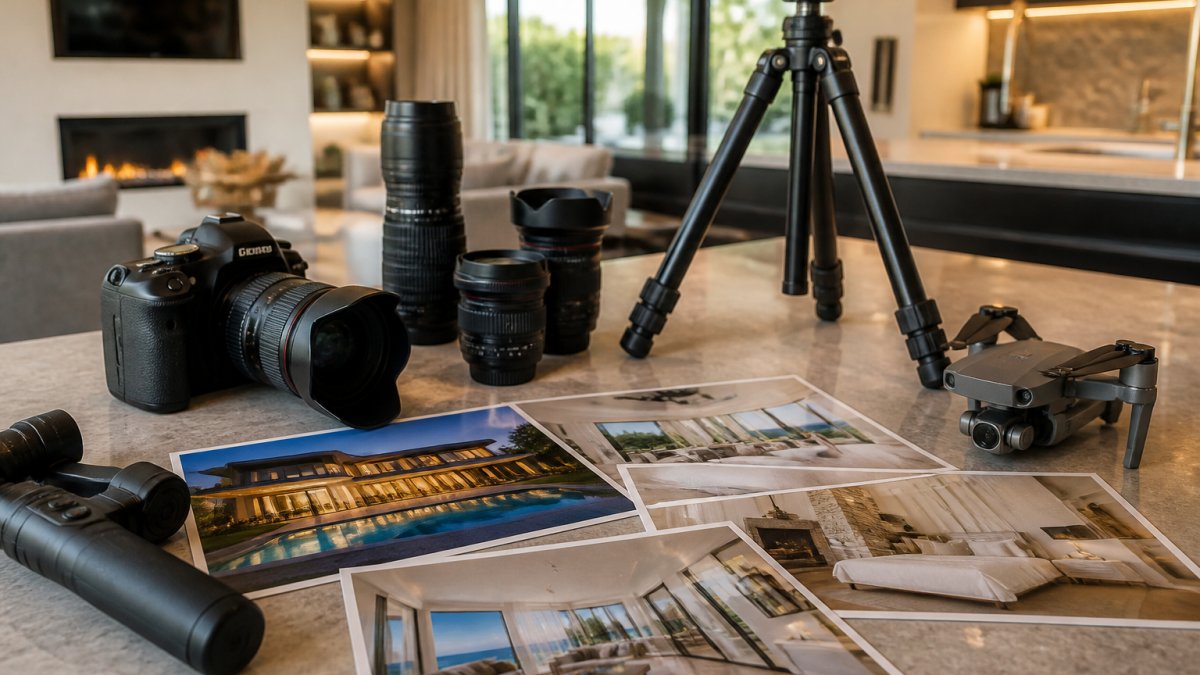
Photography excels at creating a strong first impression. A well-composed image of a property's exterior, a bright kitchen, or a spacious living room stops the scroll. It's the hook. High-quality photography is also essential for search engine visibility.
Video excels at building confidence and reducing doubt. It shows movement, scale, and sequence. A video reveals how light moves through a room during the day. It demonstrates that a property isn't as small as a still photo might suggest.
The strongest approach combines both. Professional photography provides the visual assets needed for search visibility and social media sharing. Professional property video provides the immersive experience that converts browsers into enquiries.
For holiday lets and hospitality venues, video becomes even more critical. A guest deciding between three similar properties will choose the one where they can virtually walk through the space and feel the ambiance. Photography alone cannot compete with video in this context.
For commercial property, video showing the layout, ceiling height, natural light, and potential use cases is often the deciding factor in whether a prospective tenant schedules a viewing.
What Should a Property Video Include to Maximise Impact
A high-impact property video follows a clear structure that guides the viewer through the property in a logical, engaging way. The video should feel like a guided tour, not a rushed documentary.
Start with the exterior. Show the property's kerb appeal, the entrance, and the approach. This establishes context and first impression. Many buyers decide whether they're interested within the first 10 seconds, so make this count.
Move to the main living spaces. Show the living room, dining area, and kitchen in sequence. Film from multiple angles to convey scale and light.
Showcase the bedrooms and bathrooms next. Show storage space, built-in features, and any unique selling points. For holiday lets, highlight comfort elements: quality bedding, modern amenities, outdoor space.
Include outdoor areas prominently. Gardens, patios, terraces, and parking are major decision factors. Show how outdoor space connects to the interior.
For commercial property, emphasise layout flexibility, natural light, and potential use cases. Show where different functions could operate.
End with a strong closing shot that reinforces the property's best feature or overall appeal. This is what viewers remember.
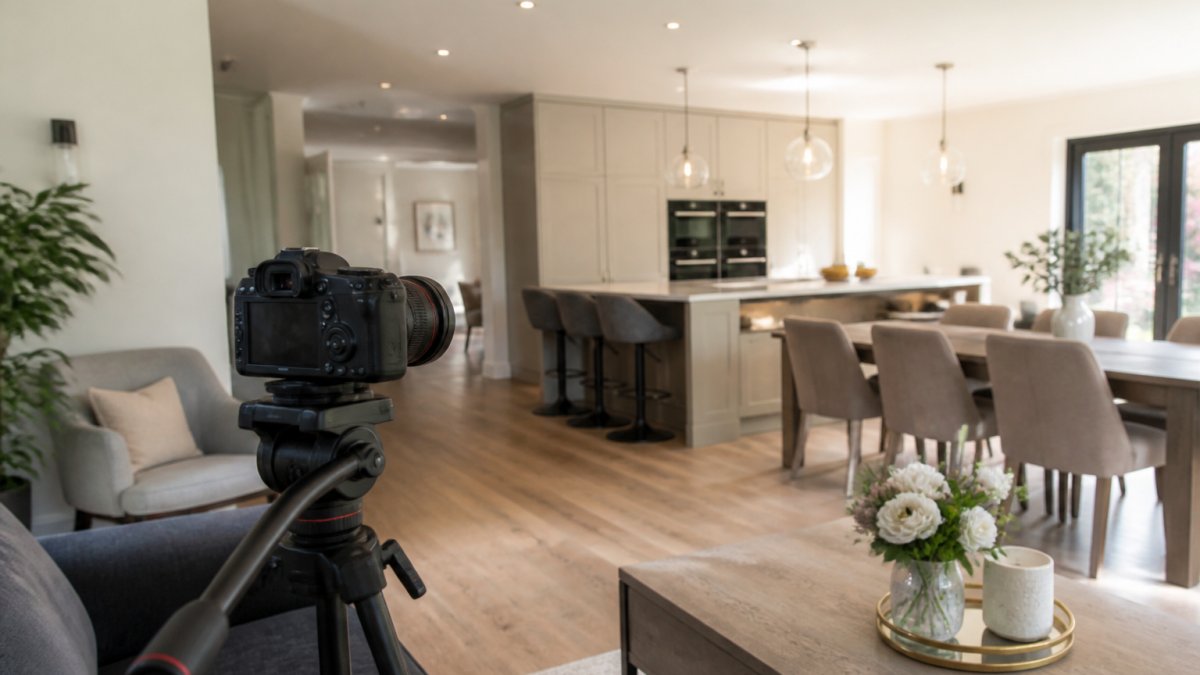
Throughout, use smooth camera movement. Jerky, rushed footage feels unprofessional and makes viewers uncomfortable. Professional videography uses steady, deliberate movement that feels like a natural walk-through.
Property Video Length: How Long Should Your Video Be
The ideal length for a property video depends on the property type and platform, but most effective property videos run between 60 and 120 seconds.
For social media platforms like Instagram and Facebook, keep video to 60 seconds or less. Viewers scrolling their feed have limited attention. A concise video showcasing the property's best features performs better than a longer version.
For website listings and property portals, 90-120 seconds works well. Viewers visiting a property page are already interested and willing to invest time. They want a thorough tour without unnecessary padding.
For holiday lets and hospitality venues, consider a tiered approach: a 30-second highlight reel for social media, a 60-second version for listing sites, and a full 2-3 minute immersive tour for your own website. This gives potential guests options based on their engagement level.
The key principle: every second should add information or create emotional appeal. Remove anything that doesn't serve this purpose. A tight 60-second video outperforms a rambling 3-minute one.
Pacing matters as much as length. A well-paced 90-second video feels quick and engaging. A poorly paced 60-second video feels slow and tedious. Professional videography maintains momentum through smooth transitions, varied camera angles, and purposeful movement.
How to Prepare a Property for Filming: A Practical Checklist
Preparation directly affects video quality. A property that's clean, organised, and well-lit produces dramatically better footage than one that's neglected.
Start with deep cleaning. Every surface should be spotless. Dust on shelves, fingerprints on glass, and clutter on counters all distract viewers and undermine the property's appeal.
Declutter every room. Remove personal items, family photos, and excess furniture. A property should feel spacious and neutral.
Ensure all lights work. Replace burnt-out bulbs. Open curtains and blinds to maximise natural light. Professional videography relies on good lighting to show the property in its best condition.
Tidy gardens and outdoor spaces. Mow the lawn, trim hedges, and remove garden clutter. Outdoor areas significantly influence buyers' and guests' first impressions.
Stage key rooms. A bedroom should have fresh, quality bedding. A kitchen should be clean with minimal items on counters. A lounge should have seating arranged to show scale and comfort.
Fix obvious issues beforehand. Leaky taps, broken blinds, and loose door handles are distracting and suggest poor maintenance. Address these before filming.
Ensure occupants and pets are away during filming. A videographer needs uninterrupted access. Moving people and pets around during filming slows the process and reduces quality.
Here's a practical checklist to use before your videographer arrives:
- Deep clean all rooms, surfaces, and fixtures
- Remove personal items and excess clutter
- Test and replace all light bulbs
- Open all curtains and blinds
- Mow lawn and tidy garden
- Remove garden toys, tools, or clutter
- Ensure all doors open smoothly
- Fix leaky taps or obvious maintenance issues
- Stage bedrooms with fresh bedding
- Arrange lounge furniture to show space
- Clear kitchen counters of excess items
- Ensure all windows are clean
- Arrange for occupants and pets to be away during filming
Measurable ROI: Real Results From Professional Property Video
The return on investment from professional property video comes in several forms: faster sales or rentals, higher asking prices, and reduced marketing costs.
Faster sales matter. A property that sells in 20 days instead of 45 days frees up capital and reduces carrying costs.
Higher enquiry rates mean more viewings and more offers. A property that generates 15 enquiries instead of 5 gives you use. You can be selective.
Reduced time on market matters for perceived value.
For holiday lets, professional video directly increases booking rates and reduces cancellations. Guests who've seen video are more committed and more satisfied. Fewer cancellations mean more reliable revenue.
For commercial property, professional video shortens the leasing cycle. Prospective tenants who've seen video are more serious about viewings. This reduces the time landlords spend showing spaces to unqualified prospects.
The cost of professional property video varies based on property size, location, and turnaround time. For holiday lets and commercial spaces, the ROI compounds over multiple bookings or tenancies.
At Property Home Photos, we work around your timeline. If your listing goes live Thursday, we plan turnaround to meet that deadline.
Conclusion
Professional property video has shifted from a luxury to a necessity for competitive marketing. Properties with video generate more enquiries, attract more serious prospects, and sell or rent faster than those without.
The benefits extend across property types: residential sales, holiday lets, hospitality venues, and commercial spaces all benefit from immersive video content that builds confidence and reduces doubt.
The investment in professional property video is recouped quickly through faster sales, higher enquiry rates, and reduced marketing costs. For competitive markets, it's the difference between standing out and blending in.
Property Home Photos helps homes, holiday lets, hospitality venues, and commercial spaces win enquiries through professional property video and photography. We work directly with you to ensure fast turnaround around your listing dates, a calm and respectful on-site experience, and a satisfaction guarantee on every project. The result is high-quality, trustworthy imagery that helps buyers, tenants, and guests understand your property layout, finish, and potential. Request a quote from Property Home Photos and discover how professional video accelerates your marketing results.
Frequently Asked Questions
What are the main benefits of professional property video?
Professional property video increases engagement, builds buyer and tenant confidence, and accelerates sales or rental timelines. Video captures property layout, features, and atmosphere in ways static images cannot. It reduces viewer uncertainty, prompts faster enquiries. For holiday lets and hospitality venues, video showcases ambiance and experience, directly influencing booking decisions. Prospective buyers and tenants spend more time on listings with video, increasing the likelihood they will contact you or schedule a viewing.
Is property video better than photography alone?
Both serve different purposes. Photography establishes first impressions and works well for property search results. Video provides context: it shows flow between rooms, reveals spatial dimensions, and captures atmosphere that photos miss. The strongest approach combines professional photography with video. Video typically generates higher engagement rates and longer viewing times, but photography remains essential for initial listing visibility. For hospitality venues and holiday lets, video is particularly effective at conveying experience and vibe.
How long should a property video be to hold viewer attention?
Most effective property videos run 60-90 seconds for residential properties and 90-120 seconds for larger or commercial spaces. Viewers typically decide within the first 10-15 seconds whether to continue watching. Keep pacing brisk, avoid unnecessary pauses, and lead with your property's strongest features. Shorter videos perform better on social media and in email marketing, while slightly longer formats work well on dedicated listing pages where viewers expect comprehensive coverage.
How should I prepare my property before a professional video shoot?
Declutter thoroughly, deep clean all visible surfaces, and ensure lighting is optimal, open curtains, turn on interior lights, and remove harsh shadows. Stage key areas like kitchens and living rooms with neutral furnishings and minimal personal items. Fix any obvious damage or wear. For exteriors, ensure gardens are tidy and driveways are clear. Communicate any access restrictions or timing constraints to your videographer in advance. A well-prepared property requires fewer editing corrections and delivers faster turnaround, protecting your listing launch date.